Why Are We Fascinated by Life After Civilization?
Have you ever wondered what the world might look like if everything we know suddenly changed?
It’s a question that has fascinated people for generations. Whether it’s through books, movies, or television shows, we enjoy imagining what comes next after a major disaster or a dramatic shift in society. It’s not because we hope these events happen. Instead, we’re naturally curious about how people would adapt, survive, and rebuild.
This curiosity is one of the reasons science fiction remains one of the most popular literary genres. It allows us to explore possible futures while reflecting on the world we live in today. A well-written science fiction story doesn’t simply entertain it encourages us to think about technology, human nature, leadership, and the choices that shape our future.
Among modern writers exploring these ideas, Baba Lee author has built stories that focus on resilience, hope, and survival rather than fear alone. His novels imagine worlds where civilization has changed dramatically, yet people continue searching for purpose, community, and a better tomorrow. Instead of concentrating only on destruction, Baba Lee’s stories remind readers that humanity’s greatest strength has always been its ability to adapt.
One example is The Bullet Thief by Baba Lee, a novel that places readers inside a dangerous future where every decision matters and every choice has lasting consequences. Through believable characters and immersive storytelling, the novel explores what survival truly means after society has been transformed.
Science fiction gives us permission to ask difficult questions.
What would happen if technology failed?
How would communities rebuild?
Could strangers become family?
Would hope survive?
Throughout this article, we’ll explore why stories about life after civilization continue to inspire millions of readers, what makes this genre so compelling, and how thoughtful storytelling helps us better understand both the future and ourselves.
What Does “Life After Civilization” Mean in Science Fiction?
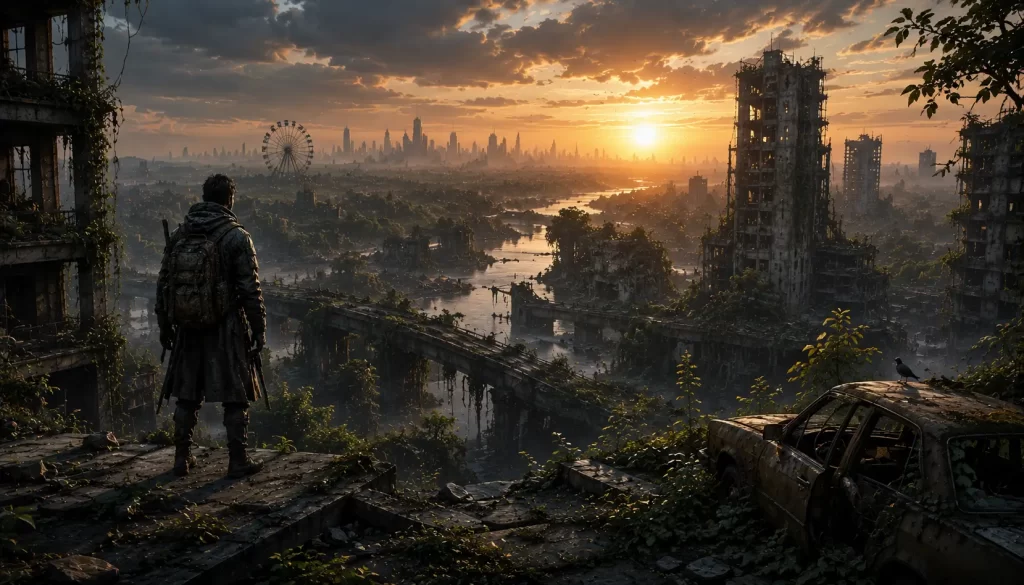
When people hear the phrase life after civilization, they often picture empty cities, abandoned highways, and crumbling buildings. While those images certainly appear in many stories, the concept goes much deeper.
Life after civilization refers to worlds where society has experienced a major collapse and survivors must create new ways of living.
The disaster itself isn’t always the focus.
Instead, the real story begins afterward.
Readers discover how people rebuild communities, establish trust, solve problems, and create hope in unfamiliar environments.
This combination of imagination and realism is what makes science fiction so engaging.
Civilization Before and After Collapse
Modern civilization depends on countless systems working together every day.
Electricity powers our homes.
Hospitals provide medical care.
Transportation connects cities.
Communication keeps families and businesses connected.
Food reaches stores through complex supply chains.
But science fiction asks an interesting question.
What happens if those systems disappear?
Without them, people must depend on creativity, cooperation, and determination.
Communities become smaller.
Resources become valuable.
Leadership becomes essential.
Every decision suddenly matters.
This dramatic shift creates endless opportunities for compelling storytelling.
Different Causes of Civilization’s Collapse
One fascinating aspect of science fiction is that every author imagines different reasons why civilization changes.
Each possibility creates unique challenges for the characters.
Environmental Disasters
Climate events, rising sea levels, severe droughts, and natural disasters often reshape entire civilizations.
Communities must learn to survive in completely new environments while protecting limited resources.
These stories encourage readers to appreciate the delicate balance between humanity and nature.
Global Pandemics
Disease has always influenced history.
Science fiction explores how future pandemics might affect society on a much larger scale.
Rather than focusing only on illness, these stories examine resilience, leadership, and cooperation during difficult times.
Artificial Intelligence
Artificial intelligence is one of today’s fastest growing technologies.
Science fiction often explores both its incredible potential and its possible risks.
What happens if intelligent machines make decisions independently?
How much control should technology have over society?
These questions create exciting and thought-provoking narratives.
Resource Shortages
Imagine a world where clean water, food, or energy become increasingly difficult to find.
Competition grows.
Communities change.
Innovation becomes necessary for survival.
Resource scarcity creates natural conflict while encouraging characters to work together toward creative solutions.
Nuclear Conflict
Although often dramatic, nuclear scenarios allow writers to explore rebuilding society after unimaginable destruction.
These stories usually focus less on the event itself and more on humanity’s determination to recover.
Space Disasters
Not every story takes place on Earth.
Some science fiction novels imagine human colonies on distant planets facing unexpected catastrophes.
These settings introduce exciting new environments while exploring familiar themes of survival and cooperation.
Rebuilding Society
One of the most inspiring aspects of life-after-civilization stories is watching communities rebuild.
People begin creating schools again.
New leaders emerge.
Families form stronger bonds.
Technology slowly returns.
Hope grows alongside progress.
Readers enjoy these moments because they remind us that humanity has always found ways to recover after difficult periods throughout history.
Even fictional worlds reflect this timeless truth.
Why This Concept Remains Popular
Stories about rebuilding civilization never seem to lose their appeal.
Why?
Because they allow readers to imagine fresh beginnings.
Every challenge creates an opportunity.
Every obstacle requires creativity.
Every decision shapes the future.
This balance between danger and hope keeps readers emotionally invested from beginning to end.
It’s one reason science fiction adventure books continue attracting audiences around the world.
Rather than offering simple entertainment, they encourage readers to think critically about leadership, resilience, innovation, and human nature.
Why Readers Love Stories About Humanity’s Future
Science fiction isn’t only about spaceships or futuristic technology.
It’s about people.
That’s why readers connect so deeply with stories exploring humanity’s future.
Curiosity About Tomorrow
People naturally wonder what tomorrow might bring.
Will technology improve our lives?
Could artificial intelligence transform society?
Will humans explore distant planets?
Can civilization overcome future challenges?
Science fiction allows readers to explore these possibilities in safe and imaginative ways.
Instead of predicting the future, these stories encourage thoughtful discussion about what might happen next.
Learning Through Fiction
Great stories often teach valuable lessons without feeling like lessons at all.
Readers discover:
- The importance of teamwork.
- Responsible leadership.
- Environmental awareness.
- Adaptability.
- Innovation.
- Compassion.
These themes appear naturally throughout engaging adventures.
By following fictional characters, readers often reflect on real-world situations.
Emotional Connection
Action keeps readers interested.
Emotion keeps them invested.
The strongest science fiction stories feature characters who experience:
- Fear
- Hope
- Friendship
- Loss
- Courage
- Determination
Readers celebrate victories because they genuinely care about the people achieving them.
This emotional realism transforms exciting adventures into unforgettable experiences.
Hope During Difficult Times
Many people assume post-apocalyptic stories are depressing.
In reality, many of the best novels are surprisingly hopeful.
Communities rebuild.
Friendships grow.
Families reunite.
New opportunities emerge.
Hope becomes one of the most powerful themes throughout the genre.
Readers appreciate stories that acknowledge hardship while reminding them that better days remain possible.
This optimistic perspective makes many post apocalyptic adventure books emotionally rewarding.
Survival Against Impossible Odds
There’s something inspiring about watching ordinary people overcome extraordinary challenges.
Characters succeed not because they possess superhuman abilities but because they refuse to quit.
They learn.
They adapt.
They cooperate.
They believe tomorrow can be better.
These qualities make survival stories universally appealing.
More Than Action
Exciting battles and dangerous journeys certainly add excitement.
However, meaningful science fiction offers something deeper.
It asks important questions.
What makes a society strong?
Can technology replace compassion?
How important is trust?
What responsibilities come with leadership?
These questions stay with readers long after the story ends.
Stories That Stay With You
The most memorable science fiction novels aren’t remembered because of explosions or advanced machines.
They’re remembered because of the people.
Readers remember acts of kindness.
Unexpected friendships.
Personal sacrifices.
Moments of courage.
These emotional experiences create lasting impressions.
That’s one reason readers continue searching for future wasteland adventure fiction that combines exciting settings with authentic human storytelling.
Authors like Baba Lee author understand that while futuristic worlds capture our imagination, it’s the people living within those worlds who capture our hearts.
The Essential Elements of Great Post-Apocalyptic Science Fiction
Every memorable science fiction story has something that keeps readers turning the pages. Sometimes it’s an unforgettable character. Other times it’s a fascinating world or an exciting mystery. But when it comes to post-apocalyptic science fiction stories, the best stories combine several important elements that work together naturally.
These stories aren’t simply about surviving disaster. They’re about rebuilding life, making difficult decisions, and discovering hope when everything familiar has disappeared.
Let’s explore what makes these stories so compelling.
Believable World-Building
The first thing readers notice is the world itself.
A believable setting makes every challenge feel more real.
Whether the story takes place in abandoned cities, isolated settlements, underground communities, or vast deserts, readers want to feel as though they are walking beside the characters.
Good world-building answers important questions.
- Where do people find food?
- How do they travel?
- What dangers exist?
- Who controls the remaining resources?
- What rules have replaced the old society?
When these details feel realistic, readers become completely immersed in the story.
The world becomes much more than a backdrop it becomes an active part of every adventure.
Realistic Characters
No matter how imaginative the setting may be, readers connect with people first.
The strongest science fiction characters aren’t perfect heroes.
They make mistakes.
They experience fear.
They question themselves.
Sometimes they fail before finding success.
These imperfections make them believable.
Readers often imagine themselves making similar choices under the same circumstances.
That emotional connection transforms an exciting story into an unforgettable one.
Resource Scarcity Creates Real Conflict
One common feature of post-apocalyptic fiction is limited resources.
Clean water.
Food.
Medicine.
Fuel.
Safe shelter.
These everyday necessities suddenly become valuable.
Scarcity naturally creates tension without requiring unnecessary violence.
Characters must decide:
Should they share what little they have?
Can strangers be trusted?
What sacrifices are worth making?
These questions create meaningful drama while exploring human nature.
Community Building
One person cannot rebuild civilization alone.
Communities become essential.
People contribute different skills.
Some grow food.
Some provide medical care.
Others repair technology.
Some become teachers or leaders.
Watching these communities slowly develop gives readers hope.
It reminds us that cooperation has always been one of humanity’s greatest strengths.
Leadership During Uncertainty
Every crisis creates opportunities for leadership.
Some leaders earn respect through honesty.
Others seek power through fear.
Science fiction often explores both possibilities.
Strong leadership inspires confidence.
Poor leadership creates conflict.
Readers enjoy watching characters grow into leaders because these journeys often involve courage, humility, and difficult decisions.
Moral Choices
One reason science fiction feels meaningful is because it asks difficult questions.
Should one person risk everything to save others?
Can rules remain the same after civilization changes?
Is survival enough, or should people also protect their values?
These moral dilemmas encourage readers to think beyond the action itself.
There are rarely easy answers.
That’s what makes the stories memorable.
Innovation Never Disappears
Even after disaster, creativity survives.
People invent new tools.
Old technology finds new purposes.
Communities develop fresh solutions to everyday problems.
Innovation becomes just as important as strength.
This optimistic perspective reminds readers that human imagination continues even during difficult times.
Hope Makes Every Story Stronger
Without hope, survival has little meaning.
The best science fiction stories balance danger with optimism.
Characters continue believing in tomorrow.
Families protect one another.
Friendships grow stronger.
Communities rebuild.
Readers finish the story feeling inspired instead of defeated.
That emotional balance explains why so many people enjoy post apocalyptic adventure books.
Exploring Human Nature After Civilization Falls
One of the greatest strengths of science fiction is its ability to explore human nature.
Technology changes.
Cities disappear.
Governments fall.
Yet people remain wonderfully complex.
When familiar systems vanish, true character begins to emerge.
Trust Becomes More Valuable Than Gold
Imagine meeting someone after civilization has collapsed.
Would you trust them?
Would they help you?
Or would they become another threat?
Trust becomes one of the most valuable resources in post-apocalyptic stories.
Characters must learn who deserves loyalty.
Those relationships often become the emotional heart of the novel.
Fear Shapes Every Decision
Fear is a natural human response.
Characters worry about food.
They worry about safety.
They worry about losing loved ones.
Rather than making characters weaker, fear often makes them more realistic.
Readers understand these emotions because everyone experiences fear at some point.
Watching characters overcome those fears creates powerful storytelling.
Courage Isn’t the Absence of Fear
True courage means acting despite being afraid.
Some characters protect strangers.
Others risk their lives for family.
Some choose compassion even when survival seems uncertain.
These quiet acts of bravery often become the most memorable moments in a story.
Leadership Earned Through Actions
Titles no longer matter after civilization changes.
People follow leaders who earn their respect.
Good leaders listen.
They remain calm.
They solve problems.
Most importantly, they put others before themselves.
Science fiction frequently explores how leadership develops naturally during times of crisis.
Sacrifice Gives Stories Emotional Weight
Every meaningful journey requires sacrifice.
Characters may leave behind comfort.
Some risk their own safety.
Others give up personal dreams to protect their communities.
These sacrifices remind readers that hope often comes with difficult choices.
Cooperation Creates Stronger Communities
Survival rarely depends on one individual.
Communities thrive because people work together.
They share knowledge.
They divide responsibilities.
They solve problems as a team.
These moments of cooperation make readers optimistic about humanity’s future.
Family and Friendship Remain Timeless
Technology changes.
Societies evolve.
But relationships remain essential.
Families protect each other.
Friends encourage one another.
Unexpected alliances become lifelong bonds.
These emotional connections help balance exciting action with meaningful storytelling.
Redemption Is Always Possible
People make mistakes.
Some characters begin selfishly.
Others lose hope.
Over time, many discover opportunities to change.
Redemption reminds readers that people are capable of growth even under the most difficult circumstances.
The Role of Technology in Rebuilding Civilization
Technology often survives even when civilizations struggle.
The question becomes:
How should it be used?
Science fiction explores this question from many different perspectives.
Advanced Technology
Future tools may help rebuild cities.
Improve agriculture.
Protect communities.
Restore communication.
Technology becomes a resource rather than simply an exciting feature.
Artificial Intelligence
Artificial intelligence is becoming increasingly important today.
Science fiction asks thoughtful questions.
Can AI become a trusted partner?
Could it create unexpected risks?
How much responsibility should machines have?
These questions make stories feel especially relevant.
Renewable Energy
Without traditional infrastructure, sustainable energy becomes essential.
Solar power.
Wind energy.
Hydroelectric systems.
Clean energy solutions allow communities to rebuild independently.
Medical Innovation
Healthcare becomes one of civilization’s greatest priorities.
Future medical discoveries may save lives even when hospitals no longer exist.
Portable technology.
Advanced medicine.
Biotechnology.
These innovations create hope while introducing fascinating scientific possibilities.
Communication
Communication connects communities.
It shares knowledge.
It prevents conflict.
Whether through advanced networks or rebuilt radio systems, communication helps civilization recover more quickly.
Transportation
Travel becomes much more difficult after catastrophe.
Science fiction often introduces creative transportation systems adapted to new environments.
These innovations help expand the world while supporting the story’s realism.
Robotics and Automation
Robots may perform dangerous work.
Repair infrastructure.
Assist medical professionals.
Support agriculture.
At the same time, science fiction explores whether overdependence on automation creates new challenges.
Scientific Discovery Never Stops
Even after disaster, curiosity continues.
Scientists continue asking questions.
Inventors continue solving problems.
Communities continue learning.
This spirit of discovery reminds readers that progress is part of human nature.
Why Baba Lee’s Stories Stand Out
Many science fiction novels imagine the end of civilization.
Baba Lee approaches the genre from a different perspective.
His stories focus on what comes next.
Rather than emphasizing destruction alone, they explore resilience, friendship, leadership, and hope.
Characters remain at the center of every adventure.
Readers experience emotional journeys alongside thrilling action.
This balance creates stories that appeal to both longtime science fiction fans and newcomers alike.
One excellent example is The Bullet Thief Baba Lee, where immersive storytelling, believable characters, and meaningful choices combine to create an unforgettable reading experience.
Fans of science fiction adventure books often appreciate this character-driven approach because every challenge feels personal rather than simply spectacular.
Whether exploring dangerous landscapes or rebuilding communities, Baba Lee creates stories filled with imagination, emotional depth, and optimism.
Readers who enjoy future wasteland adventure fiction will discover worlds that are both exciting and deeply human, reminding us that even after civilization changes, hope remains one of humanity’s greatest strengths.
Building Immersive Worlds Readers Never Forget
One of the biggest reasons readers fall in love with science fiction is the chance to visit places that don’t exist at least not yet. Great authors don’t simply describe a setting. They build an entire world that feels alive. Every city, settlement, landscape, and community has its own history, culture, and purpose.
Baba Lee understands that a believable world is just as important as memorable characters. His stories invite readers into environments where every location influences the people living there. Instead of creating empty wastelands, he builds worlds that continue evolving even after civilization has changed.
Designing New Civilizations
When old societies disappear, new ones begin to emerge.
People establish new communities.
Leaders create new rules.
Families build safer homes.
Children grow up learning a completely different way of life.
This process of rebuilding civilization creates fascinating stories because readers witness history being written all over again.
Every new civilization reflects the values and choices of the people creating it.
Geography and Environment
The environment shapes every decision.
A desert settlement faces different challenges than a mountain village.
Dense forests provide protection but also hide danger.
Ruined cities offer resources while creating new risks.
By carefully designing these environments, science fiction authors make every journey feel realistic.
Readers can imagine the landscape clearly, making every adventure more immersive.
Politics and Leadership
Even after civilization changes, people still need leadership.
Communities create rules.
Leaders solve conflicts.
Groups negotiate with neighboring settlements.
Political systems naturally develop over time.
These elements make fictional worlds feel complete while adding meaningful challenges for the characters.
Economy and Trade
Money may disappear.
Trade often replaces it.
Food becomes valuable.
Medicine becomes precious.
Knowledge becomes a resource.
Communities exchange skills, supplies, and technology to survive.
These realistic economic systems help readers believe the world could actually exist.
Culture Never Disappears
People continue celebrating traditions.
They tell stories.
They create music.
They pass knowledge to future generations.
Even after civilization changes, culture survives.
This reminds readers that humanity is defined not only by technology but also by creativity and shared experiences.
Daily Survival
Readers enjoy learning how everyday life changes.
Where do people find clean water?
How do children receive education?
How is food produced?
Who repairs equipment?
These everyday details make fictional worlds feel authentic.
Technology Still Shapes the Future
Technology doesn’t disappear completely.
It evolves.
Communities repair old machines.
Inventors create new tools.
Engineers adapt existing technology to meet new needs.
This balance between old and new creates exciting possibilities while maintaining realism.
Lessons Science Fiction Teaches About Today’s World
Although science fiction imagines tomorrow, it often teaches valuable lessons about today.
The best stories encourage readers to think differently about real-world challenges.
Climate Change
Environmental issues frequently appear in science fiction.
These stories remind readers that our choices today influence future generations.
Rather than creating fear, they encourage responsibility and innovation.
Artificial Intelligence
Artificial intelligence is already changing everyday life.
Science fiction explores its possibilities while asking thoughtful questions about ethics, responsibility, and human decision-making.
Readers gain a better understanding of technology through imaginative storytelling.
Innovation Solves Problems
Throughout history, humanity has overcome enormous challenges through creativity.
Science fiction celebrates that same spirit.
Inventors continue inventing.
Scientists continue discovering.
Communities continue improving.
This message inspires optimism rather than fear.
Community Matters
One lesson appears repeatedly throughout great science fiction.
People survive together.
Communities share resources.
Neighbors help one another.
Trust creates stability.
This reminds readers that cooperation often becomes our greatest strength during difficult times.
Leadership Makes a Difference
Strong leadership influences every successful community.
Good leaders communicate honestly.
They listen carefully.
They inspire confidence.
Science fiction demonstrates why responsible leadership remains essential regardless of the time period.
Adaptation Is a Human Strength
One remarkable quality of humanity is adaptability.
People learn.
They innovate.
They overcome challenges.
Science fiction celebrates this ability by showing characters growing stronger through adversity.
Human Resilience
No matter how difficult the circumstances become, hope continues.
People rebuild.
Families stay together.
Friendships develop.
Communities recover.
This message explains why readers continue returning to stories about rebuilding civilization.
Why Life After Civilization Continues to Inspire Science Fiction Authors
Science fiction gives writers unlimited creative freedom.
They can imagine future societies.
Explore new technologies.
Create fascinating worlds.
Ask meaningful questions.
Every story becomes an opportunity to explore possibilities that don’t yet exist.
Endless Creative Possibilities
Few genres allow authors to imagine entirely new civilizations.
Every story introduces different cultures, technologies, landscapes, and societies.
This creative freedom keeps the genre fresh for both writers and readers.
Exploring Humanity’s Greatest Questions
Science fiction asks questions without pretending to have every answer.
How should technology serve humanity?
Can society avoid repeating past mistakes?
What truly defines civilization?
These questions encourage thoughtful discussion long after readers finish the final page.
Human Resilience Remains Timeless
Regardless of the setting, one message continues appearing.
Humanity survives.
Not because life becomes easy.
Because people refuse to stop trying.
That timeless message continues inspiring both writers and readers around the world.
Discover Baba Lee’s Vision of Humanity’s Future
If you enjoy thoughtful science fiction filled with adventure, emotional storytelling, and believable characters, Baba Lee’s books deserve a place on your reading list.
His novels explore much more than survival.
They examine friendship.
Leadership.
Trust.
Hope.
Resilience.
Each story imagines how ordinary people respond when extraordinary circumstances reshape the world around them.
Whether you’re new to speculative fiction or already enjoy immersive adventures, Baba Lee offers stories that balance exciting action with meaningful ideas.
Readers interested in future wasteland adventure fiction will appreciate the carefully developed worlds, while fans of science fiction adventure books will enjoy the exciting pace and emotional depth that define his writing.
Exploring Baba Lee’s collection is also an opportunity to discover unforgettable characters who remind us that humanity’s greatest strength has always been its ability to adapt, cooperate, and move forward together.
Visit the author’s website to learn more about his books, read the latest blog posts, explore his author biography, and stay informed about upcoming releases.
Looking Beyond the End of Civilization
Stories about life after civilization continue to capture readers’ imaginations because they explore one timeless truth: even when the world changes, people continue searching for hope.
Science fiction reminds us that survival is about more than finding food or shelter.
It is about protecting those we care about.
Building stronger communities.
Learning from the past.
Creating a better future.
These stories encourage readers to imagine possibilities while reflecting on today’s challenges.
They celebrate resilience instead of fear.
Innovation instead of despair.
Cooperation instead of conflict.
Baba Lee’s novels embrace these ideas by combining immersive storytelling with emotionally rich characters and imaginative worlds. His books encourage readers to think about humanity’s future while reminding us that courage, kindness, and determination remain timeless qualities.
Whether you’re exploring speculative fiction for the first time or you’re already a longtime fan of post apocalyptic adventure books, Baba Lee’s stories offer exciting adventures filled with hope, discovery, and unforgettable journeys.
Frequently Asked Questions (FAQ)
What is life after civilization in science fiction?
Life after civilization refers to stories that explore how people survive, rebuild communities, and create new societies after a major event transforms or destroys the world they once knew.
Why do readers enjoy post-apocalyptic stories?
Readers enjoy these stories because they combine adventure, emotional storytelling, and hope while exploring how humanity responds to extraordinary challenges.
What makes a great science fiction story?
A great science fiction story combines believable world-building, relatable characters, imaginative ideas, emotional depth, meaningful conflict, and thoughtful themes that encourage readers to think about the future.
How realistic are post-apocalyptic science fiction books?
Although fictional, many stories are inspired by real scientific concepts, environmental issues, technological advancements, and human behavior, making them feel believable and relevant.
What themes does Baba Lee explore?
Baba Lee explores survival, resilience, friendship, leadership, hope, rebuilding society, technology, ethical decision-making, and humanity’s ability to overcome adversity.
Which Baba Lee book should new readers start with?
Many readers begin with The Bullet Thief Baba Lee, which showcases the author’s engaging storytelling, immersive world-building, memorable characters, and thoughtful exploration of life after civilization.
Why is world-building important in science fiction?
World-building creates believable settings that help readers fully experience the story while understanding how characters interact with their environment and overcome challenges.
What can readers learn from stories about future civilizations?
These stories encourage readers to think about leadership, innovation, environmental responsibility, cooperation, resilience, and the importance of hope when facing uncertainty.